
The aircraft industry needs parts that are lightweight and do not fail. From the outer skin of the fuselage to the parts hidden deep near the engine, thousands of joints hold the whole machine together. This is where titanium fasteners step in. In modern aircraft design, they are at the centre of how planes are assembled and how they stay safe in the air.
The aviation industry has always chased materials that are light but strong, steady under heat, and able to cope with years of stress and vibration. Steel fasteners are tough but heavy. Aluminium saves weight but cannot always take the loads or the heat. Aerospace titanium fasteners fall in a useful middle ground. They bring high strength, low weight and long-term reliability into one small but very important component. In this article, we look at why titanium fasteners are now preferred across aircraft manufacturing and how they support safer, more efficient flying.
What Are Titanium Fasteners?
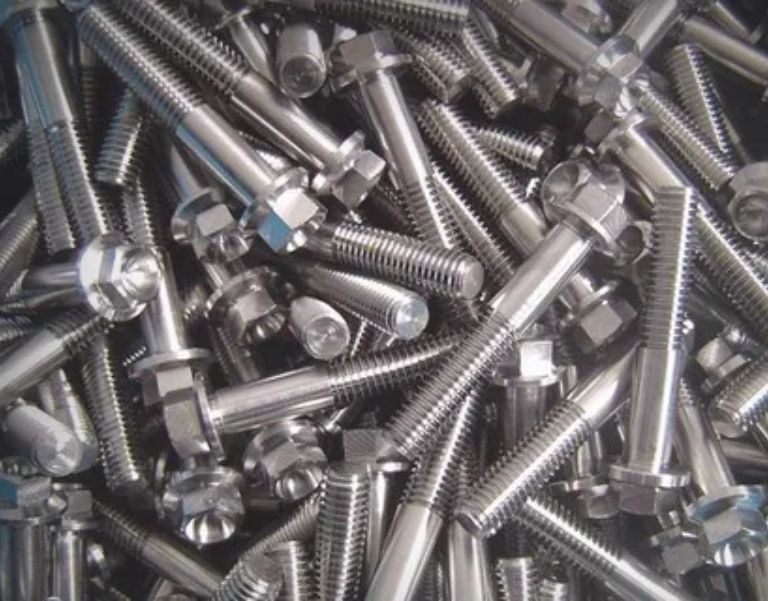
Titanium fasteners are the bolts, nuts, screws and studs made from titanium alloys or commercially pure titanium that hold aircraft parts together. They join frames to skins, engines to mounts, and many smaller parts that make up the whole aircraft. In simple terms, they do the same job as any other fastener. What changes is how they behave once the aircraft is in service.
Aircraft titanium bolts, titanium nuts, and screws are usually produced from grades such as Grades 2, 5, 7, 9 and 12. These grades provide good strength, corrosion resistance and formability, and are used where loads are high, weight must be kept low, and long life is expected.
Key Properties of Titanium
Titanium fasteners are used in the aerospace industry due to 4 main properties:
High strength-to-weight ratio: Even though titanium is much lighter than steel, it has higher strength. When lightweight aircraft fasteners replace steel ones across an airframe, the weight saving adds up. It is not just a small tweak. Over hundreds or thousands of fasteners, the reduction becomes real.
Corrosion resistance: Aircraft face moisture, salt in coastal air, de-icing fluids, aviation fuels and changing weather. Titanium forms a natural oxide layer that protects it from rust, oxidation, and many types of chemical attack. Because of that, titanium fasteners keep their shape and grip even after years of exposure.
High temperature and thermal stability: When temperatures fluctuate near engines and exhausts, some materials expand, soften or lose strength. But titanium holds its mechanical properties over a wide range of temperatures.
Fatigue and vibration resistance: Aircraft are always vibrating, and loads are applied and removed with every take-off and landing. Titanium resists fatigue cracking better than many other metals, which helps joints stay tight and safe over long service lives.
Advantages of Titanium Fasteners in Aircraft Manufacturing
When these material properties are put into real aircraft use, they turn into clear advantages.
Weight reduction: Lighter fasteners mean a lighter aircraft. A lighter aircraft needs less fuel to fly the same distance, which cuts running costs and lowers emissions. Airlines and manufacturers both care about this, and titanium fasteners quietly support that goal.
Structural reliability and safety: Because titanium fasteners do not corrode easily and hold their strength under stress, the joints they form stay stable. That stability supports the whole airframe. Over time, the risk of loosened or damaged fasteners drops, which improves safety.
Service life and maintenance: Titanium fasteners last longer. They do not rust away or seize in place, so inspections are easier and replacements are needed less often. Aircraft spend more time flying and less time in the hangar, which is what operators want.
Applications of Titanium Fasteners in Aircraft
These advantages show up in many parts of an aircraft.
In airframes and structural assemblies, titanium fasteners are used in the fuselage, wings and load-bearing joints. Here, strength and weight savings work side by side. The structure stays rigid without adding extra mass.
Near engines and in high-temperature zones, titanium fasteners hold parts that see heat, vibration and exhaust gases. Other materials struggle here. Titanium stays steady, which helps keep engines and surrounding systems in place.
Landing gear and other load-bearing components also rely on titanium fasteners. These parts see heavy loads during take-off, landing and taxiing. Titanium’s fatigue strength helps these joints survive repeated stress without cracking or stretching.
Comparison with Other Fastener Materials
Steel fasteners are strong and familiar, but they add weight and can corrode if not well protected. Aluminium fasteners are light, yet they do not always have the strength or heat resistance needed for critical joints. Nickel alloys cope with heat, but they are heavy and often harder to work with.
Titanium sits in a useful middle space. It offers strength close to steel, weight closer to aluminium, and corrosion resistance that beats both. Over the full life of an aircraft, that mix often gives better performance and fewer problems.
Cost Considerations and Long-Term Value
Titanium fasteners do cost more at the start. The metal itself is more expensive to produce and machine. Yet in aircraft, the upfront price is only part of the story. Lighter weight saves fuel every flight. Better corrosion resistance cuts maintenance work. Longer service life means fewer replacements. Over years of use, those savings can be larger than the first purchase price.
For many aircraft makers and operators, titanium fasteners make financial sense once the whole picture is seen.
Aerospace Standards and Quality Requirements
Aviation does not allow guesswork. Titanium fasteners must meet strict standards such as ASTM and aerospace material specifications. Each batch is tested for chemistry, strength and size, and full records are kept. Traceability is key. If a fastener is ever questioned, its material source and test results must be known.
At Pakshal Steel, we supply titanium materials with full mill test reports so our customers can meet these rules with confidence. That is part of how we support safe aircraft manufacturing.
Titanium fasteners have become a core part of modern aircraft design. Their low weight, high strength, resistance to corrosion and ability to handle heat and fatigue all support safer and more efficient flying. From airframes to engines and landing gear, they help aircraft perform better over long service lives.
As aviation continues to push for lighter, cleaner and more reliable aircraft, the role of titanium fasteners will only grow. Sourcing certified aerospace titanium fasteners and raw materials from trusted suppliers helps keep that progress on track. Pakshal Steel is a trusted Titanium Fasteners manufacturer that provides quality, traceability and on-time delivery to their customers.