
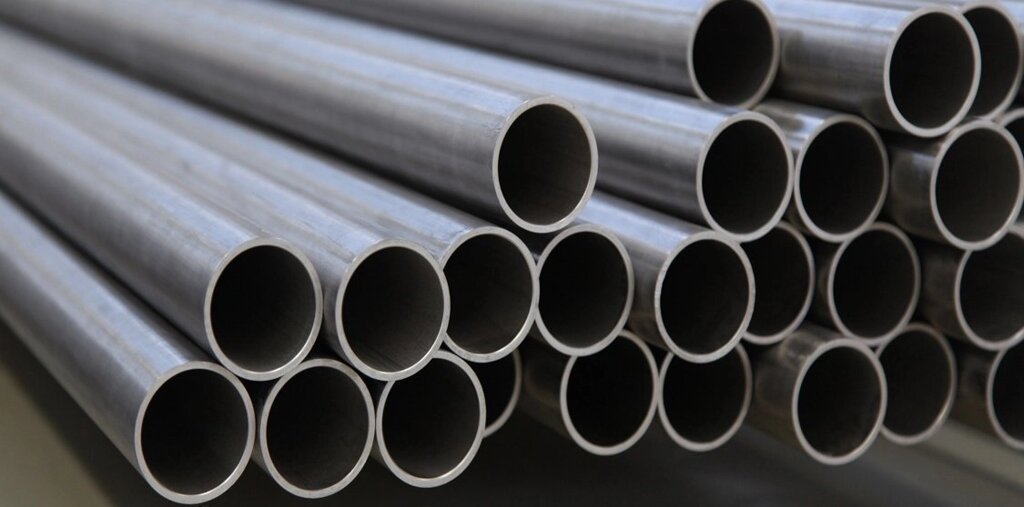
In modern industrial environments where reliability, efficiency, and longevity are critical, Titanium Pipes & Tubes have emerged as an essential material. Known for their excellent strength-to-weight ratio, resistance to corrosion, and durability under extreme conditions, these titanium components are now integral to various industrial projects across sectors such as chemical processing, marine, aerospace, and power generation.
This blog explores the diverse and impactful applications of Titanium Pipes & Tubes in today’s demanding industrial landscape.
Why Titanium Pipes & Tubes?
Before diving into specific applications, it’s important to understand why titanium is so widely used. Titanium is a lightweight metal that combines exceptional corrosion resistance, high tensile strength, and biocompatibility. These attributes make titanium ideal for industries where standard steel or plastic piping would quickly degrade or fail.
Key advantages of Titanium Pipes & Tubes include:
- High corrosion resistance in harsh environments, including seawater and acidic conditions.
- Strength comparable to steel but with nearly half the weight.
- Excellent thermal stability and resistance to extreme temperatures.
- Longevity, leading to lower maintenance and replacement costs.
1. Chemical Processing Industry
The chemical industry is one of the largest consumers of Titanium Pipes & Tubes. Facilities that handle aggressive chemicals like hydrochloric acid, nitric acid, or chlorine compounds require materials that can withstand corrosion without compromising structural integrity.
Titanium’s resistance to oxidizing and reducing agents makes it ideal for:
- Acid production and transfer pipelines
- Heat exchangers
- Reactors and distillation units
By using titanium, chemical plants significantly reduce downtime due to corrosion-related maintenance, boosting productivity and safety.
2. Marine and Offshore Engineering
Seawater is notoriously harsh on materials due to its high salinity and corrosive elements. Titanium Pipes & Tubes perform exceptionally well in marine environments because they form a protective oxide layer that prevents corrosion, even when exposed to saltwater for extended periods.
Applications include:
- Desalination plants
- Offshore oil rigs and gas platforms
- Shipbuilding (cooling systems, exhaust systems)
In offshore structures, where maintenance is complex and costly, titanium’s durability ensures longevity and structural reliability.
3. Aerospace and Aviation
Weight reduction without compromising strength is vital in the aerospace industry. Titanium is often preferred for its unique combination of lightweight and high strength, which helps improve fuel efficiency and load-bearing capacity.
In aircraft, Titanium Pipes & Tubes are used for:
- Hydraulic systems
- Fuel lines
- Engine components exposed to high heat and stress
Additionally, titanium’s resistance to fatigue and crack propagation makes it ideal for high-pressure systems that operate under fluctuating loads.
4. Power Generation
Power plants, whether nuclear, thermal, or renewable, demand piping systems that can withstand high temperatures, pressure, and chemically aggressive environments. Titanium is well-suited for such conditions, especially in cooling and steam condenser systems.
Common applications in power generation include:
- Heat exchangers in nuclear plants
- Condensers in steam turbines
- Piping systems for geothermal plants
In nuclear power, titanium is particularly valued for its ability to maintain mechanical integrity under radiation exposure and heat stress.
5. Medical and Pharmaceutical Industry
Though not an “industrial project” in the traditional sense, the medical and pharmaceutical sectors involve large-scale manufacturing environments where hygiene and corrosion resistance are paramount.
Titanium’s biocompatibility and resistance to sterilizing agents make Titanium Pipes & Tubes ideal for:
- Cleanroom piping systems
- Transport of reactive pharmaceutical chemicals
- Processing equipment where contamination must be avoided
These applications help ensure purity, prevent chemical reactions, and maintain a sterile production environment.
6. Petrochemical and Oil Refining
Petrochemical refineries deal with hydrocarbons, acids, and high-temperature processes that quickly degrade conventional materials. Titanium’s ability to withstand these harsh operating conditions has made it a go-to choice for several applications, such as:
- Heat exchangers handling sour gas
- Piping systems transporting crude oil and petrochemical derivatives
- Air-cooled condensers
Using Titanium Pipes & Tubes helps enhance safety, reduce the risk of failure, and extend the life of critical infrastructure in refining operations.
7. Food and Beverage Industry
Even in food processing, titanium finds its place due to its resistance to corrosion, non-toxicity, and ease of cleaning. Applications include:
- Piping systems for acidic liquids like fruit juices or vinegar
- Dairy processing lines
- Brewery and distillation equipment
Titanium ensures that there’s no contamination from pipe degradation, which is crucial for maintaining product quality and safety standards.
Conclusion
Titanium Pipes & Tubes are no longer niche components they are essential materials in industries where performance under extreme conditions is non-negotiable. From chemical plants and aerospace systems to offshore rigs and power stations, titanium offers a unique blend of properties that few materials can match.
As industries continue to innovate and demand more from their infrastructure, the role of titanium will only grow. Investing in high-quality titanium piping not only enhances operational performance but also proves to be a cost-effective solution over the long term due to reduced maintenance and superior durability.
If your next project involves challenging environments, it might be time to consider the unmatched capabilities of titanium.